A plant-based diet during menopause can support overall health while aligning with vegan or vegetarian values. As estrogen declines, nutrient needs shift, making careful attention to calcium, vitamin D, iron, protein, and omega-3s particularly important.
Phytoestrogens in foods like soy, flaxseed, and legumes provide a mild estrogen-like effect, which may help reduce hot flashes, support bone health, and contribute to hormonal balance. Effects vary by individual and depend on consistent, whole-food intake.
A nutrient-focused diet supports energy, muscle, and cognition. Adequate iron and vitamin B12 help counter fatigue and brain fog, plant protein preserves lean mass and metabolism, and omega-3s support heart and brain health.
Modern bioidentical hormone therapy (HT) is typically plant-derived and compatible with vegan and vegetarian lifestyles. Topical forms, like patches, gels, and creams, avoid animal-derived ingredients while providing clinically effective symptom relief.
A thoughtful, individualized approach allows women to meet physiological needs, maintain ethical commitments, and manage menopause symptoms. Lifestyle strategies and plant-derived HT can work together to optimize bone, heart, muscle, and cognitive health.
Thriving Through Menopause on a Vegan or Vegetarian Diet
 Hailey Kean
 Dr. Saranne Perman, MD
The Bottom Line:
As more women choose plant-based living, questions are growing about how vegan and vegetarian diets affect perimenopause and menopause. In the U.S., nearly one in five adults now follows a vegetarian or plant-forward diet, and many are entering midlife with a strong commitment to nutrition and preventive health.(1)
That commitment puts women in a strong position — but it also raises important questions:
Will plant-based foods affect symptoms like hot flashes or fatigue? Are there specific nutrients to watch more closely? And when it comes to treatment, are hormone therapies compatible with vegan values?
Menopause is a natural life transition, but it brings real physiological changes. Estrogen levels decline, metabolism shifts, bone density decreases, and the body’s nutrient needs evolve. For women who avoid animal products, meeting those needs requires more precision — not restriction.(2)(3)
The good news is that research from The Menopause Society suggests that a vegan or vegetarian lifestyle can support a healthy, balanced menopause transition when paired with the proper diet. With the right strategy, women don’t have to choose between their values and effective symptom relief.(3)(4)
The Plant-Based Advantage: Understanding Phytoestrogens
One of the most unique features of a plant-based diet during menopause is its natural content of phytoestrogens — plant compounds that have a mild estrogen-like effect in the body.
What are phytoestrogens?
Phytoestrogens are naturally occurring compounds found in certain plants that can bind to estrogen receptors in the body. They do not replace estrogen, nor do they act like hormone therapy. Instead, as the International Menopause Society (IMS) confirms, they offer a gentle, modulatory effect, which may help ease some symptoms of estrogen decline.(2)(5)(6)
There are three main types:(6)
Isoflavones — found mostly in soy foods
Lignans — found in flaxseed, whole grains, seeds, and vegetables
Coumestans — found in smaller amounts in foods like alfalfa sprouts
How Phytoestrogens May Support Menopause
Research suggests that phytoestrogens, especially soy isoflavones, may help with the following:(6)(7)
Reducing the frequency and severity of hot flashes
Supporting bone health
Improving lipid profiles
Contributing to overall hormonal balance
These effects are modest but meaningful, particularly when phytoestrogens are consumed as part of a whole-food, plant-based diet.
Best Plant-Based Sources of Phytoestrogens
Soybeans
Edamame
Bean sprouts (soy, mung, alfalfa)
Chickpeas
Lentils
Flaxseed (ground)
Sesame seeds
Tofu
Tempeh
Soy milk
Whole grains (oats and barley)
How to use them:
Aim to include one to two servings of whole foods daily, along with flaxseed and legumes. Consistency matters more than quantity.(5)(8)
Is soy safe during menopause?
This is one of the most common questions — and one of the most misunderstood.
Myth: Soy increases the risk of breast cancer.
Fact: The American Cancer Society explains that large, high-quality studies show soy consumption as safe for most women, including breast cancer survivors. Some research even suggests that soy consumption may be linked to improved breast cancer outcomes.(8)
The North American Menopause Society supports the use of soy foods for managing menopausal symptoms, particularly vasomotor symptoms like hot flashes or night sweats. Whole soy foods — not supplements — are the preferred source.(4)
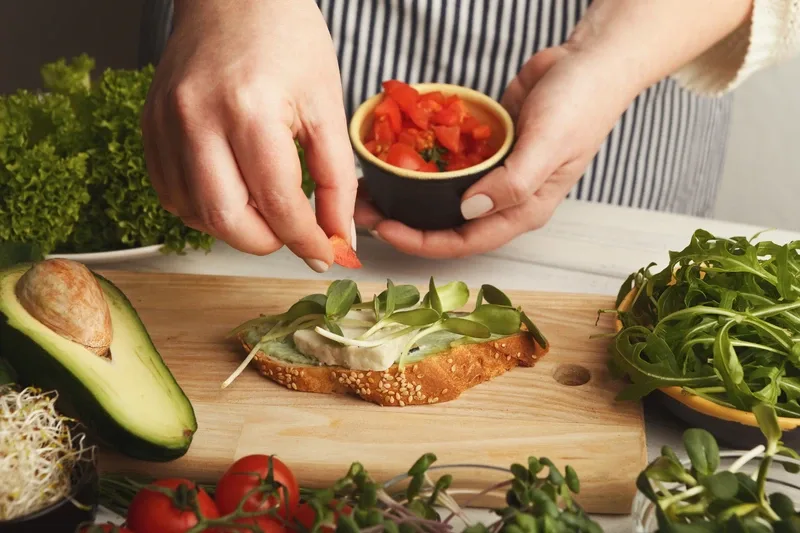
Plant-Based Menopause Nutrient Toolkit
Estrogen decline affects nearly every system in the body — bones, muscles, brain, heart, and metabolism. A plant-based diet can support all of these areas, but it requires attention to nutrients that are less concentrated or less bioavailable in plant foods.
This section provides a practical, science-backed framework combined with insight from the Vegan Society for meeting menopausal nutrient needs on a vegan or vegetarian diet.(9)
Calcium & Vitamin D for Bone Health
Why they matter:
Bone density declines rapidly during and after menopause due to reduced estrogen. This increases the risk of osteoporosis and fractures. Vegans and vegetarians tend to consume less calcium from their diets. Calcium provides the raw material for bone, while vitamin D helps the body absorb and use it.(7)(10)(11)
The National Institute of Health gives the following recommended intake (for women over 50):(12)
Calcium: 1,200 mg per day
Vitamin D: 800–1,000 IU per day
Best plant-based calcium sources:
Unsweetened fortified plant milks (soy, almond, oat)
Calcium-set tofu
Fortified orange juice
Collard greens
Turnip greens
Kale
Broccoli
Almonds
Sesame seeds (tahini)
Vitamin D sources:
Fortified plant milks
Fortified cereals
Mushrooms exposed to UV light
Sun exposure (with skin safety in mind)
Supplements when needed
Practical tip:
Most plant-based diets need a vitamin D supplement, especially in northern climates or during winter months. Blood testing can guide dosing.
Iron & Vitamin B12 for Energy and Brain Fog
Why they matter:
Fatigue, brain fog, and low energy are common during menopause — and iron or B12 deficiency can worsen them. While iron is present in plant foods, it’s less easily absorbed. Vitamin B12 is not naturally present in plant foods at all.(7)(10)(12)(13)(14)
Recommended intake (women over 50):
Iron: 8 mg per day
Vitamin B12: 2.4 mcg per day
Best plant-based iron sources:
Lentils
Chickpeas
Black beans
Kidney beans
Tofu
Tempeh
Pumpkin seeds
Spinach
Quinoa
Absorption tip:
Pair iron-rich foods with vitamin C (like citrus, bell peppers, strawberries, or tomatoes) to improve absorption.
Vitamin B12 sources:
Fortified nutritional yeast
Fortified plant milks
Fortified breakfast cereals
Supplements
Practical tip:
All vegans — and many vegetarians — need a reliable B12 supplement. Deficiency can lead to nerve damage and cognitive symptoms that may be mistaken for menopause-related brain fog.(12)
Plant-Based Protein for Muscle & Metabolism
Why it matters:
Muscle mass naturally declines with age, and estrogen loss accelerates this process. Muscle plays a key role in metabolism, blood sugar control, bone health, and physical function. Adequate protein helps preserve lean mass and strength.(10)
Recommended intake (women over 50):
At least 1.0–1.2 grams per kilogram of body weight per day
Best plant-based protein sources:
Tofu
Tempeh
Edamame
Lentils
Chickpeas
Black beans
Kidney beans
Quinoa
Hemp seeds
Chia seeds
Pumpkin seeds
Soy milk
Pea protein powder
Practical tip:
Spread protein evenly across meals. Aim for 20–30 grams per meal to support muscle protein synthesis.(15)
Omega-3 Fatty Acids for Heart & Brain Health
Why they matter:
Cardiovascular risk rises after menopause. Omega-3s support heart health, brain function, and inflammation regulation.(16)
Plant-based diets provide ALA (alpha-linolenic acid), which the body converts into EPA and DHA — the forms most directly linked to heart and brain benefits. Because only a small amount is converted, the amount consumed matters.(12)(17)(18)
Recommended intake (women over 50):
ALA: 1.1 grams per day
Best plant-based omega-3 sources:
Ground flaxseed
Chia seeds
Hemp seeds
Walnuts
Flaxseed oil
Canola oil
Supplement option:
Algae-based DHA/EPA supplements provide a direct, vegan source of long-chain omega-3s and may be especially helpful during menopause.
Top Plant-Based Sources for Menopause Nutrients
Nutrient | Best Vegan/Vegetarian Food Sources | Typical Serving Size | Approximate Amount per Serving |
Calcium | Fortified soy or almond milk, calcium-set tofu, collard greens, tahini, fortified orange juice | 1 cup milk / ½ cup tofu / 1 cup greens | 300 mg / 250–350 mg / 250 mg |
Vitamin D | Fortified plant milk, UV-exposed mushrooms, fortified cereals | 1 cup milk / ½ cup mushrooms | 100–150 IU / 300–400 IU |
Iron | Lentils, chickpeas, black beans, tofu, pumpkin seeds, quinoa, spinach | ½ cup cooked legumes / 2 Tbsp seeds | 3–4 mg / 2–4 mg |
Vitamin B12 | Fortified nutritional yeast, fortified plant milk, fortified cereals, supplements | 1 Tbsp nutritional yeast / 1 cup milk | 2–4 mcg / 1–3 mcg |
Protein | Tofu, tempeh, lentils, chickpeas, edamame, quinoa, hemp seeds | ½ cup tofu/tempeh / ½ cup legumes | 10–20 g / 7–10 g |
Omega-3 (ALA) | Ground flaxseed, chia seeds, hemp seeds, walnuts | 1 Tbsp seeds / ¼ cup walnuts | 2–2.5 g / 2.5 g |
Zinc | Pumpkin seeds, chickpeas, lentils, cashews, whole grains | ¼ cup seeds / ½ cup legumes | 2–3 mg / 1–2 mg |
Magnesium | Almonds, cashews, pumpkin seeds, spinach, black beans | ¼ cup nuts/seeds / ½ cup beans | 80–150 mg / 60–80 mg |
Iodine | Iodized salt, seaweed (nori, wakame), fortified plant milk | ¼ tsp salt / 1 sheet nori | 70–75 mcg / 30–50 mcg |
Note: Needs vary by age, health status, and absorption. Some nutrients — especially vitamin B12 and vitamin D — often require supplementation on vegan and vegetarian diets.
Hormone Therapy (HT): Is it vegan-friendly?
This is one of the most important — and most misunderstood — questions for plant-based women navigating menopause.
Short answer:
Yes. Modern bioidentical hormone therapy (HT) — sometimes called hormone replacement therapy (HRT) or menopausal hormone therapy (MHT) — is plant-derived and usually compatible with vegan and vegetarian values.
Understanding the Difference: Old vs. Modern Hormones
Not all hormone therapies are the same. Historically, some estrogen products were derived from animal sources.
Animal-derived example:
Conjugated equine estrogen (CEE) — made from pregnant mare urine (e.g., Premarin)
Modern bioidentical hormones:
Derived from plant compounds — typically from wild yam or soy
Chemically identical to the hormones produced by the human body
Not sourced from animals
These plant-derived hormones are synthesized in laboratories to match human estrogen and progesterone at the molecular level. They are not extracted directly from animals, and no animal tissue is used in the hormone itself.
Plant-Derived Hormones
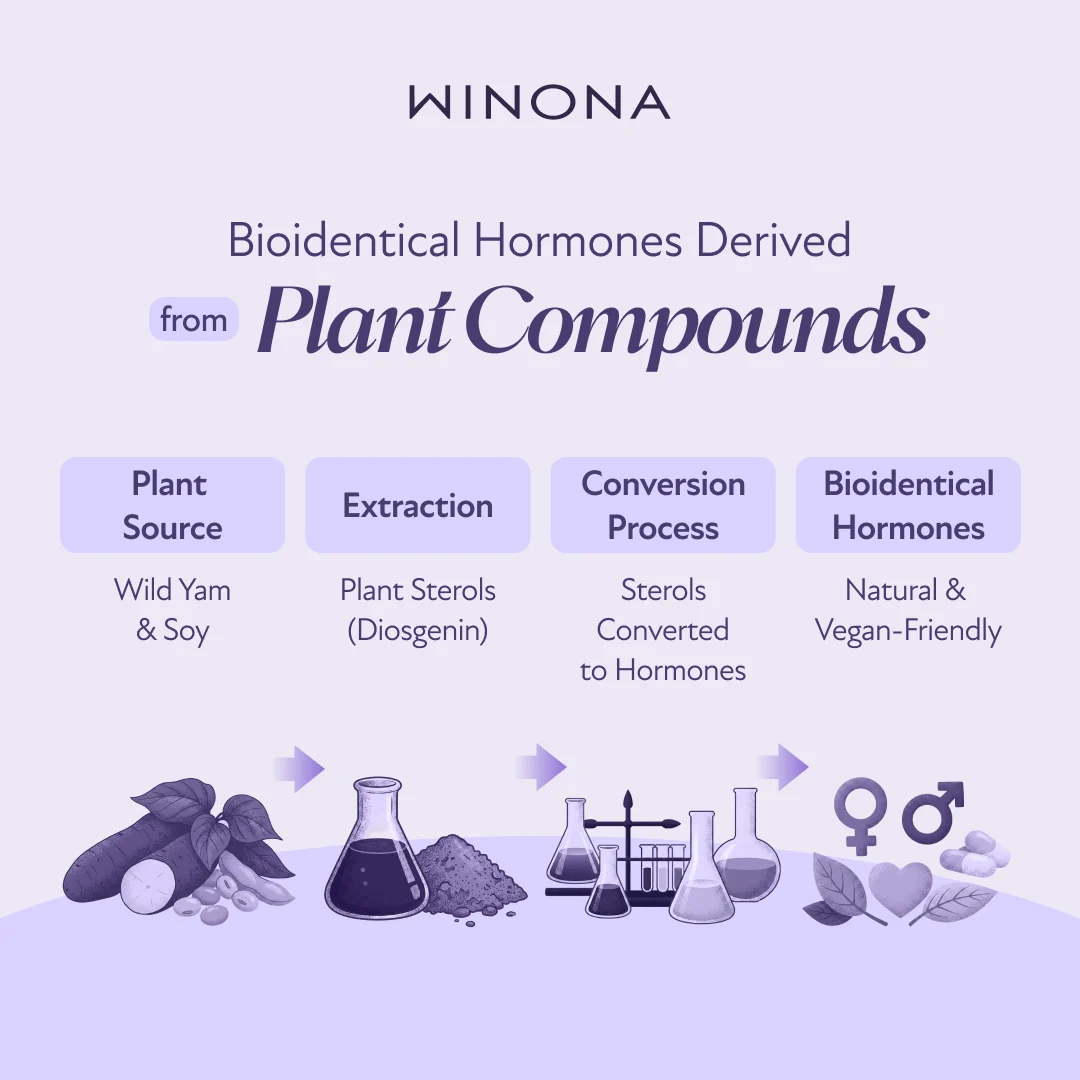
From a sourcing standpoint, the hormones themselves in bioidentical HT are plant-derived. However, all approved medications are tested on animals at some stage due to safety and regulatory requirements. Some formulations (oral) may also contain non-vegan inactive ingredients like gelatin.
That said, many transdermal formulations — like patches, gels, and creams — tend to avoid animal-derived ingredients altogether.
The Vegan Society notes that for many women, hormone therapy aligns well with the ethical principle of choosing what is practicable and possible while still prioritizing one's health — recognizing that, in a nonvegan world, it can sometimes be difficult to avoid all animal use.(9)
Winona’s Approach
All of Winona’s topical hormone therapies use plant-derived ingredients and bioidentical hormones, making them suitable for vegans and vegetarians.
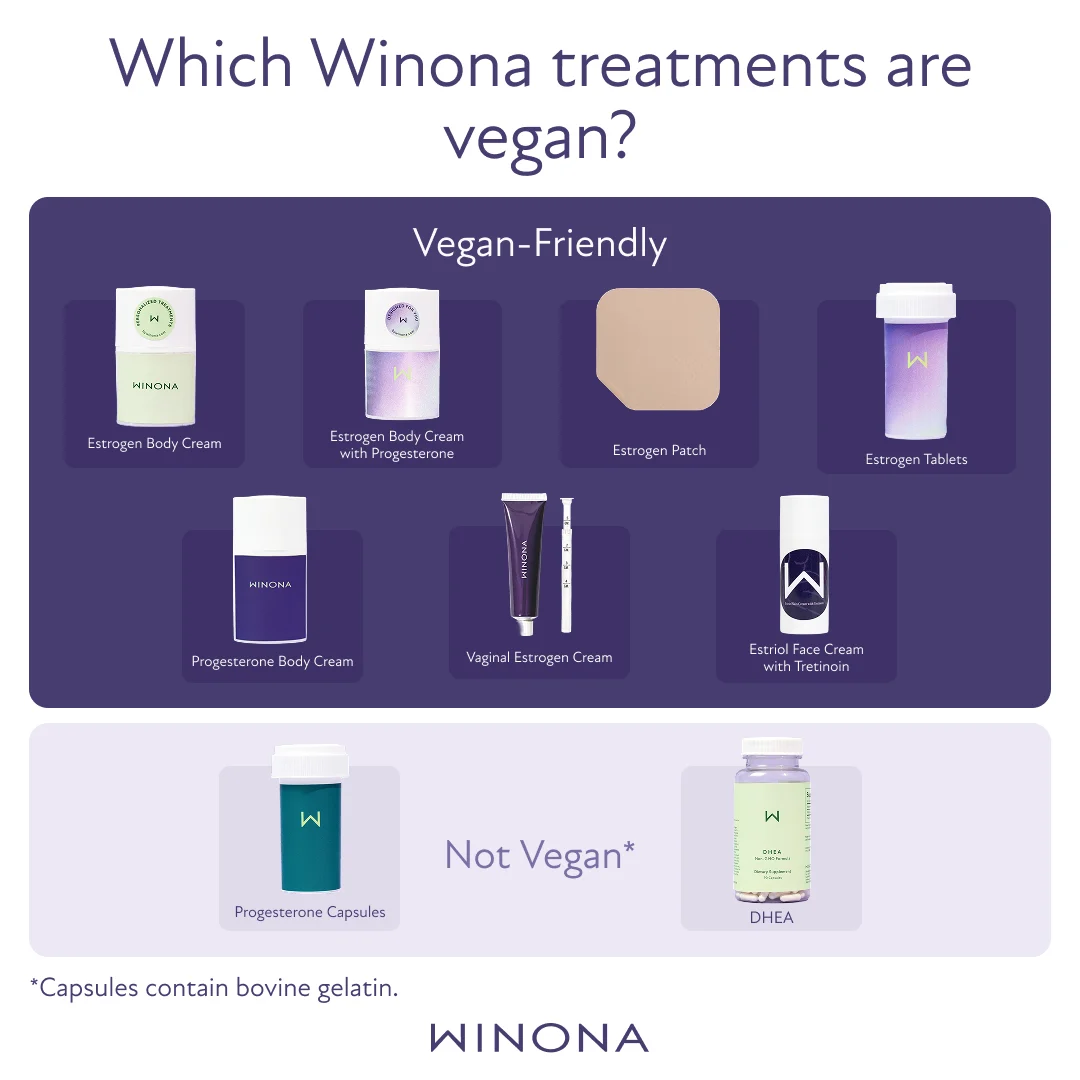

Our hormone therapies are derived from plant sources and are chemically identical to the hormones the body produces. They do not come from animals and are aligned with a plant-based lifestyle. However, our oral forms of progesterone and DHEA do contain gelatin in the capsules.

This allows women to access clinically effective menopause treatment without compromising their values.
Bioidentical vs. Animal-Derived: A Simple Comparison
Bioidentical HT (Plant-Derived) | Conjugated Estrogen (Animal-Derived) |
Derived from wild yam or soy | Derived from horse urine |
Chemically identical to human hormones | Mixture of estrogens not identical to human estrogen |
Compatible with vegan values | Not compatible with vegan values |
Used in modern, personalized HRT | Older formulation |
A Targeted Nutritional Strategy
A plant-based lifestyle and effective menopause care are not opposing goals — they are fully compatible.
A well-planned vegan or vegetarian diet offers powerful advantages during menopause, including improved cardiovascular health, reduced inflammation, and access to natural phytoestrogens. At the same time, menopause introduces new physiological demands — especially for bone health, muscle mass, energy, and cognitive function — that require a targeted nutritional strategy.
With the right approach, women can:
Protect bone density with calcium, vitamin D, and weight-bearing activity
Support energy and focus with adequate iron, vitamin B12, and protein
Preserve muscle and metabolism with sufficient plant-based protein
Strengthen heart and brain health with omega-3s
Explore plant-derived hormone therapy when symptoms warrant medical support
Most importantly, women don’t have to choose between their values and their well-being. Modern, plant-derived bioidentical hormone therapy provides an evidence-based option that respects ethical commitments while offering meaningful symptom relief.
Menopause Care That Aligns with Your Body — and Your Values
If symptoms are getting in the way of how you want to feel, you don’t have to manage them alone. Take our quick menopause quiz to see if plant-derived, bioidentical HRT could be a good fit for you.
Frequently Asked Questions (FAQs) About Menopause on a Vegan or Vegetarian Diet
There’s no strong evidence that a well-balanced plant-based diet directly causes early menopause. Genetics, smoking, and certain medical treatments are much stronger predictors. Some research suggests that ultra-processed diets — even if plant-based — may be associated with an earlier menopause onset, whereas whole-food, well-balanced, plant-based diets are not. In other words, diet quality matters more than diet type.
There are no true vegan sources of human estrogen. However, many plant foods contain phytoestrogens, which gently interact with estrogen receptors and may ease symptoms. Rich sources include soy foods, flaxseed, sesame seeds, and legumes. Bioidentical hormones are plant-derived and chemically identical to human estrogen.
Some studies suggest that women on whole-food, plant-based diets may experience fewer hot flashes and better metabolic health. However, menopause varies widely. Diet is just one factor, along with genetics, sleep, stress, and activity levels.
There’s no single most important nutrient. Calcium and vitamin D support bone health, vitamin B12 supports brain and nerve function, iron supports energy, protein preserves muscle, and omega-3s protect heart and brain health. Vitamin B12 deserves special attention because it requires supplementation.
This article is for informational purposes only and does not constitute medical advice. The information contained herein is not a substitute for professional medical advice. Always talk to your doctor about the risks and benefits of any treatment.